Bahman Namvar Motlagh was born in Tehran in 1962. He completed his undergraduate degree in French translation in Iran before continuing his studies in France, where he earned a master's degree in linguistics and computer science from Université Blaise Pascal in Clermont-Ferrand — an unusual interdisciplinary pairing for the period that prefigured the methodological eclecticism of his later work.
His doctoral dissertation in comparative literature, defended at the same university and centered on the relationship between literature and the visual arts, was recognized in 2000 as the year's outstanding foreign doctoral thesis, with formal commendation from the Iranian presidency — the first in a long sequence of national distinctions.
Since 2003 he has held a faculty position in the Department of French Language and Literature at the Faculty of Letters and Human Sciences, Shahid Beheshti University, Tehran. Through the early 2000s and 2010s, his most consequential contribution was the systematic introduction of late-twentieth-century French literary theory — particularly the structuralist and post-structuralist accounts of intertextuality and transtextuality developed by Julia Kristeva and Gérard Genette — into Persian-language academic discourse. His textbooks An Introduction to Intertextuality (Sokhan, 2011) and Intertextuality from Structuralism to Post-structuralism (Sokhan, 2016) are now standard references in Iranian universities.
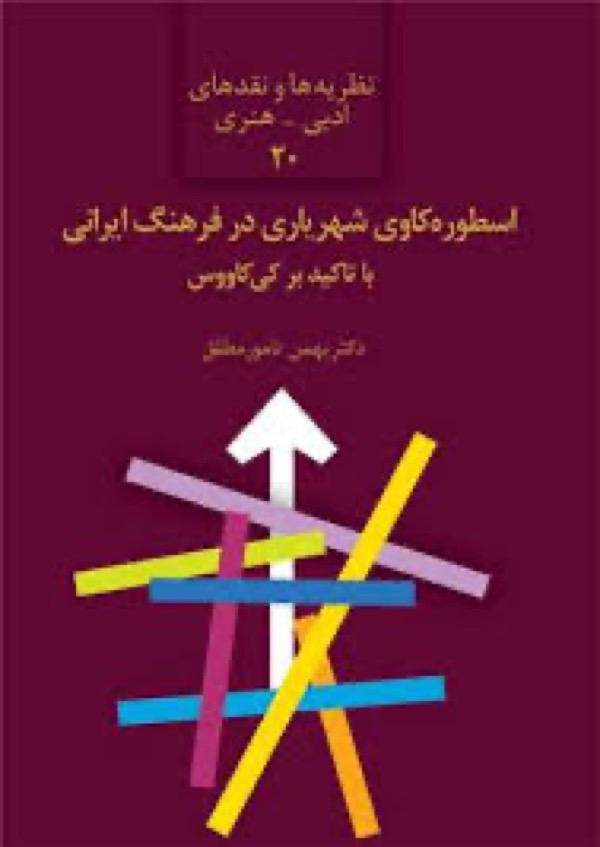
In parallel, he produced the first systematic Persian-language treatment of twentieth-century mythological theory and method. The Mougham Publishers series of monographs covers Max Müller, Northrop Frye, Georges Dumézil, Joseph Campbell and Denis de Rougemont — the principal architects of modern myth-analysis — written for graduate-level readers attempting to apply these frameworks to Iranian materials. An Introduction to Mythology (Sokhan, 2018) was named a commended book of the year by the Iranian Ministry of Culture and Islamic Guidance, and Mythological Inquiry of Love in Iranian Culture (Sokhan, 2019) was nominated for the Jalal Al-e Ahmad literary prize. A further volume, Mythological Inquiry of Kingship in Iranian Culture (Sokhan, 2026), takes up sovereignty as one of the central social and cultural questions of the Iranian tradition.
Within the field of comparative literature, Comparative Literature: Concepts, Schools, and Corpora (Logos, 2022) provides a comprehensive Persian-language framework for the discipline. He is the founding president of the Iranian Scientific Association of Comparative Art and Literature and of the Iranian Mythology Circle, and a co-founder of the Tehran Semiotics Circle.
The unifying claim across his work is what he calls Naghde Boomi — indigenous criticism. He argues that when both the methodological apparatus of a critical theory and the canonical reference texts that produced it are European, the application of that theory to Persian classical literature, Islamic art or Iranian cinema yields systematic mis-reading — a "double crisis," at once epistemological and bound up with cultural identity. His response is dialogic: Persian classical texts (the Shahnameh, Rumi's Masnavi), ancient mythological motifs and traditional handicrafts should not be passive objects of European theory but active instruments to test, stretch and refine the original frameworks. This is the through-line connecting his books on intertextuality, his analyses of Seljuk pottery, his readings of Safavid miniatures and his typology of Iranian cinema.
His administrative work has been an extension of the same intellectual project. From 2015 to 2017 he served as Deputy Minister for Traditional Arts and Handicrafts at the Cultural Heritage, Handicrafts and Tourism Organization. In 2018 he was charged with founding Ostad Farshchian University — an institution dedicated to Islamic-Iranian arts, established in collaboration with the master miniaturist Mahmoud Farshchian — and led it until 2022. In 2021 the Supreme Council of the Cultural Revolution appointed him president of the Academy of Arts of the Islamic Republic of Iran (Farhangestan-e Honar), a position he held until 2023.
His scholarship has international reach. Sagesses et Malices de la Perse, co-authored with Lila Ibrahim-Ouali (Albin Michel, Paris, 2001), has been translated into Czech, and lectures in Paris, Milan, New Delhi, Herat, Tunis and Casablanca have placed him within Francophone and broader international comparative-literature networks.
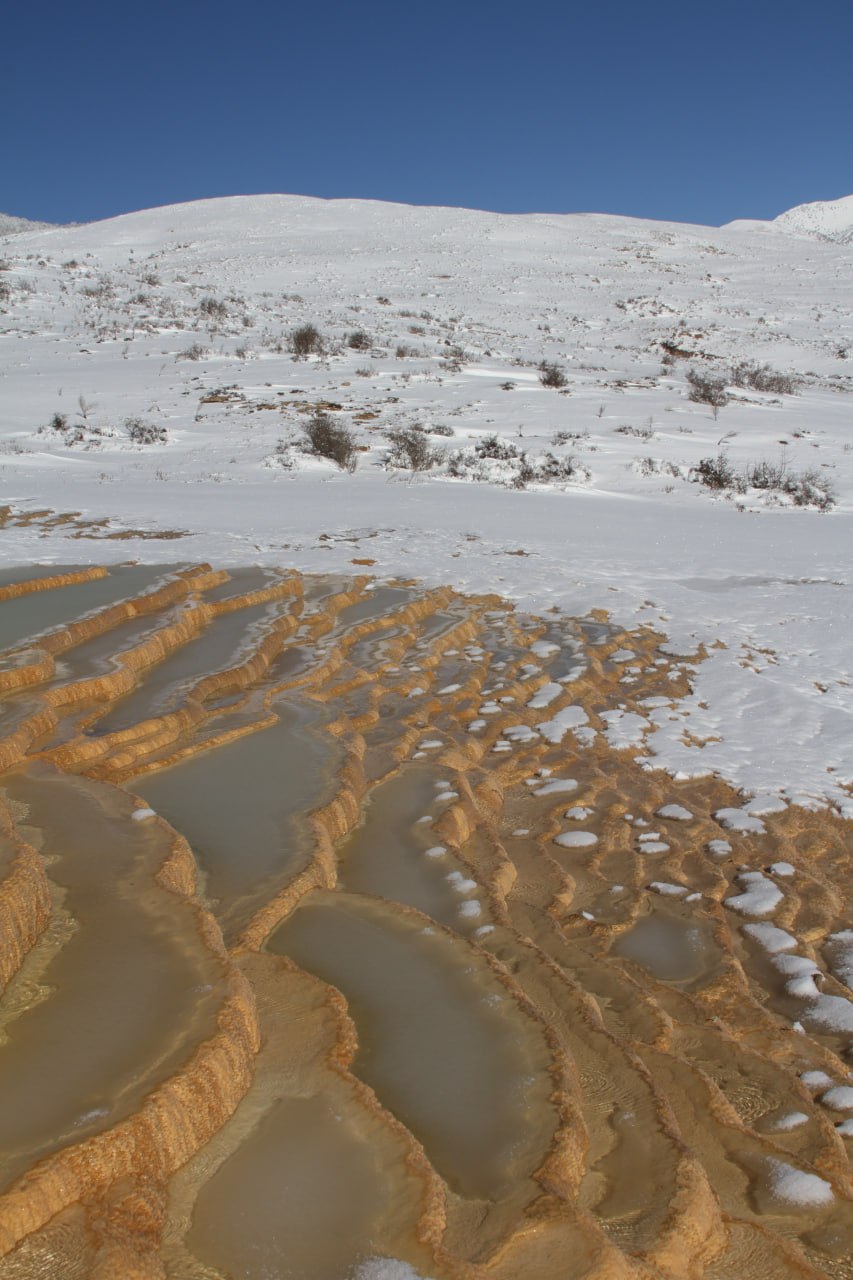
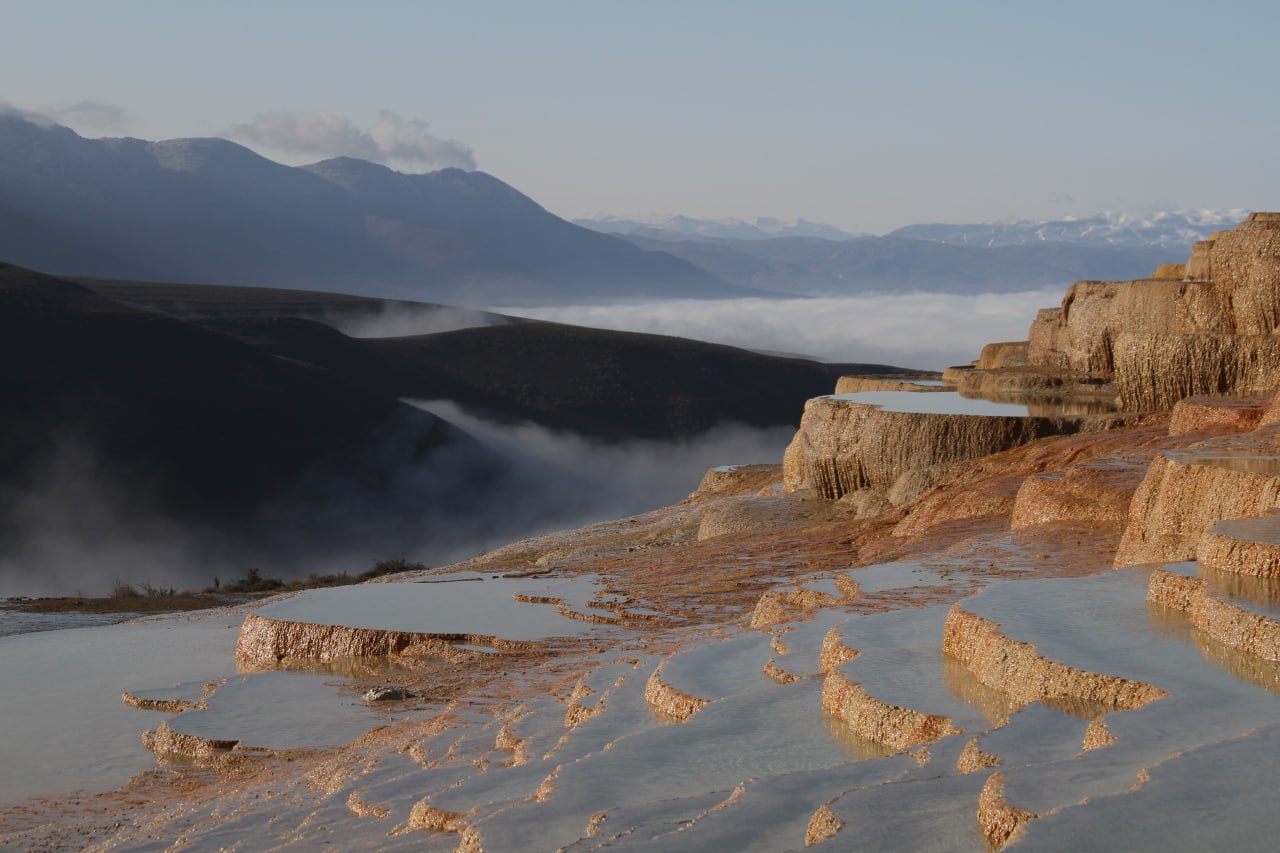
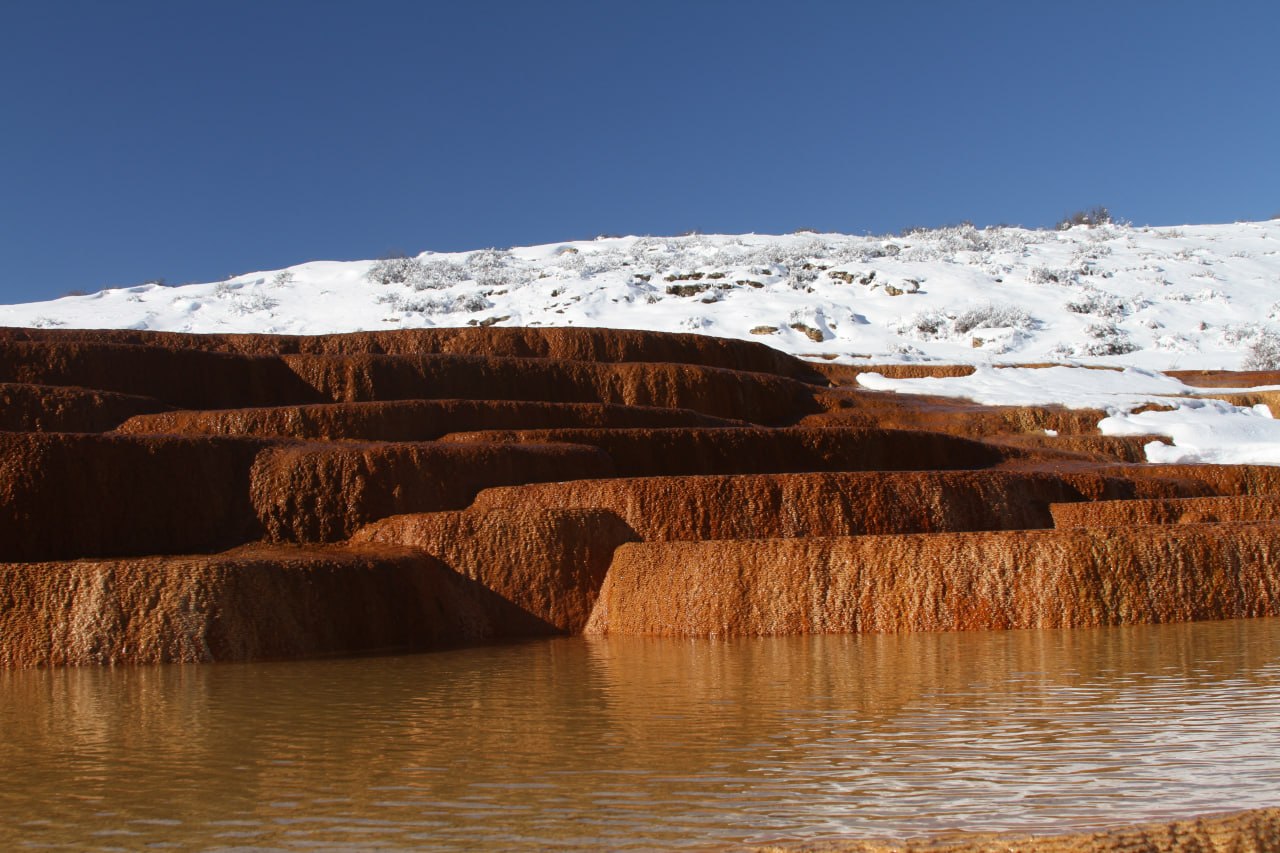
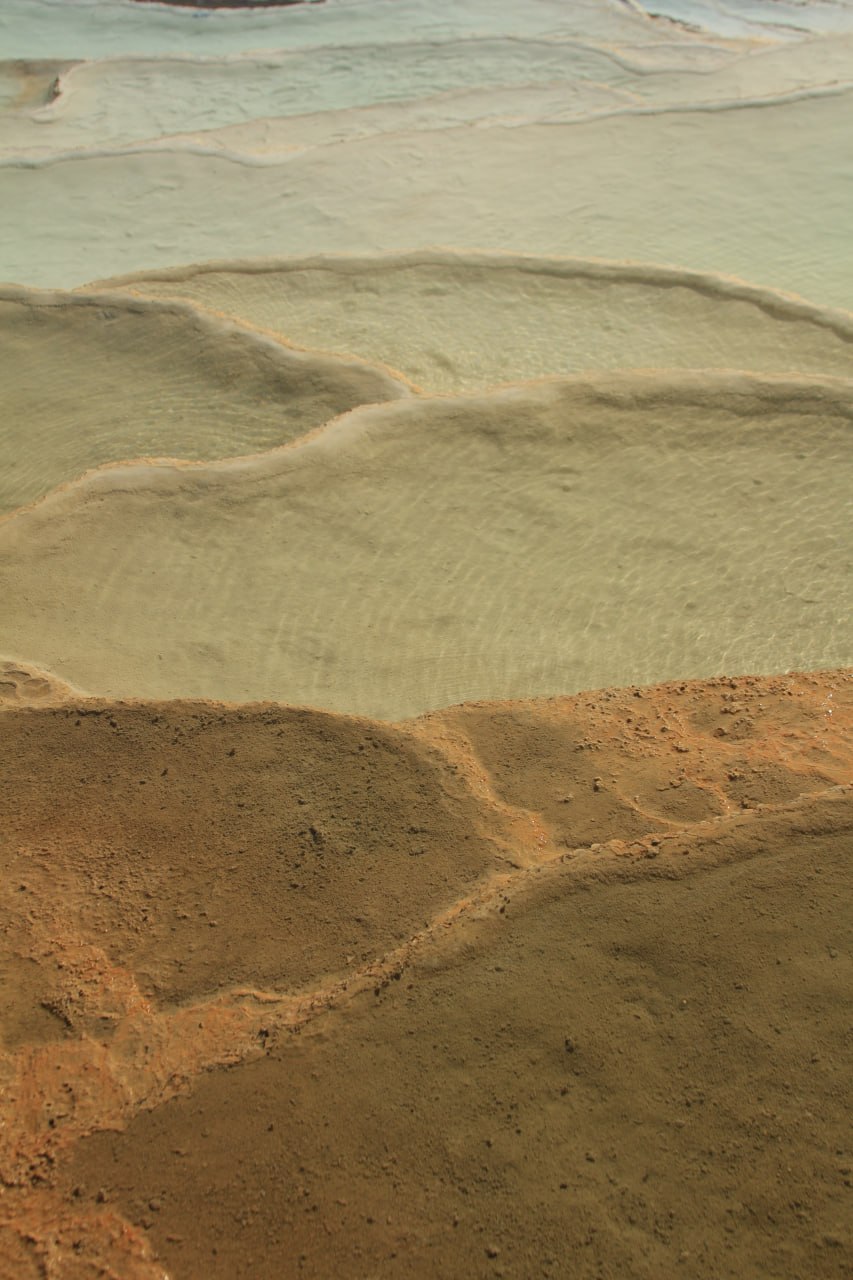
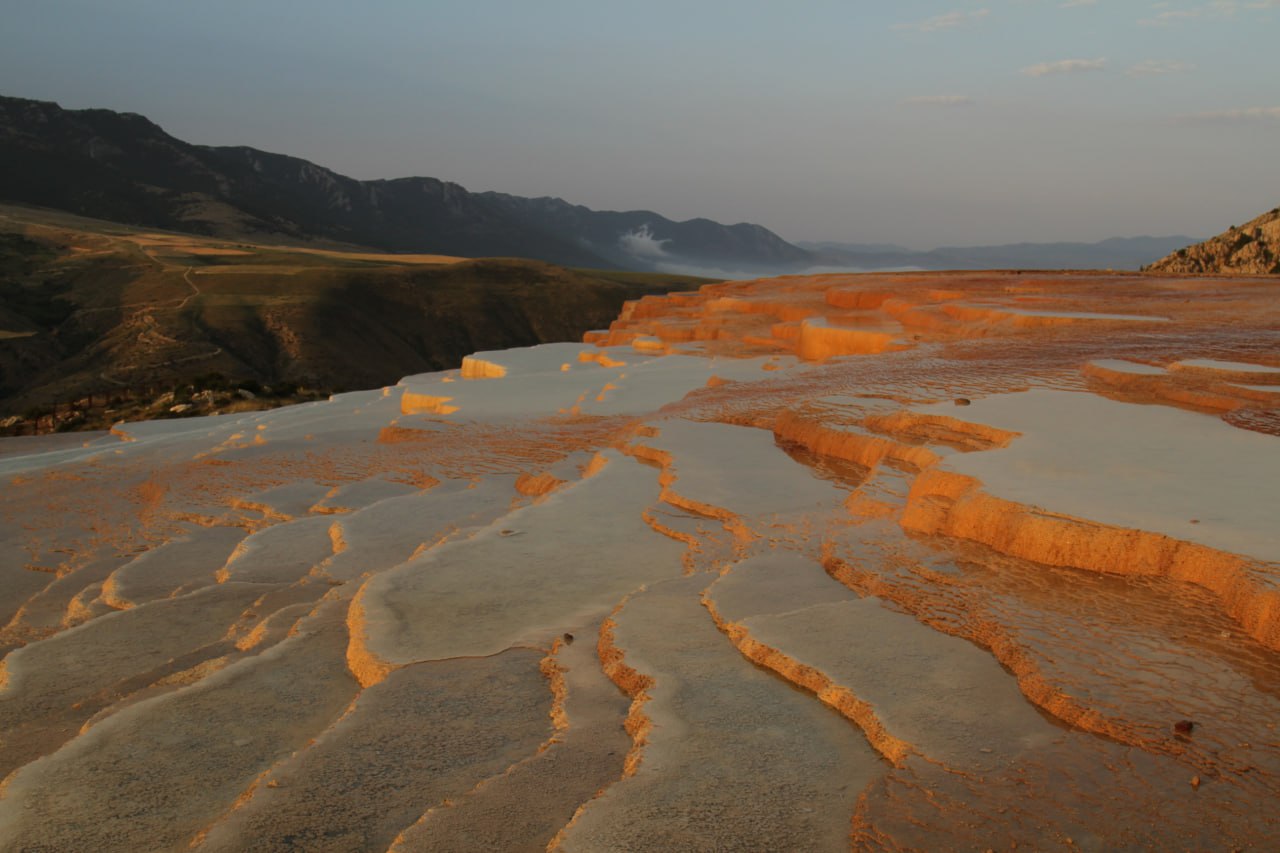
Beyond research, Namvar Motlagh has been active as a photographer. His solo exhibitions are Nature at Iranian Artists' House (2016), Mirror of Water at the same venue (2013), and Pālkāneh at Bahman Cultural Center (2009).
He has also published a photographic memoir, Safarnegāreh (Sokhan, 2014), accompanied by his own images, and a play, Roshanak (Mehrnoroz).